


What Movers Charge Per Hour Across Alberta: Calgary, Edmonton, Red Deer, Lethbridge, Fort McMurray
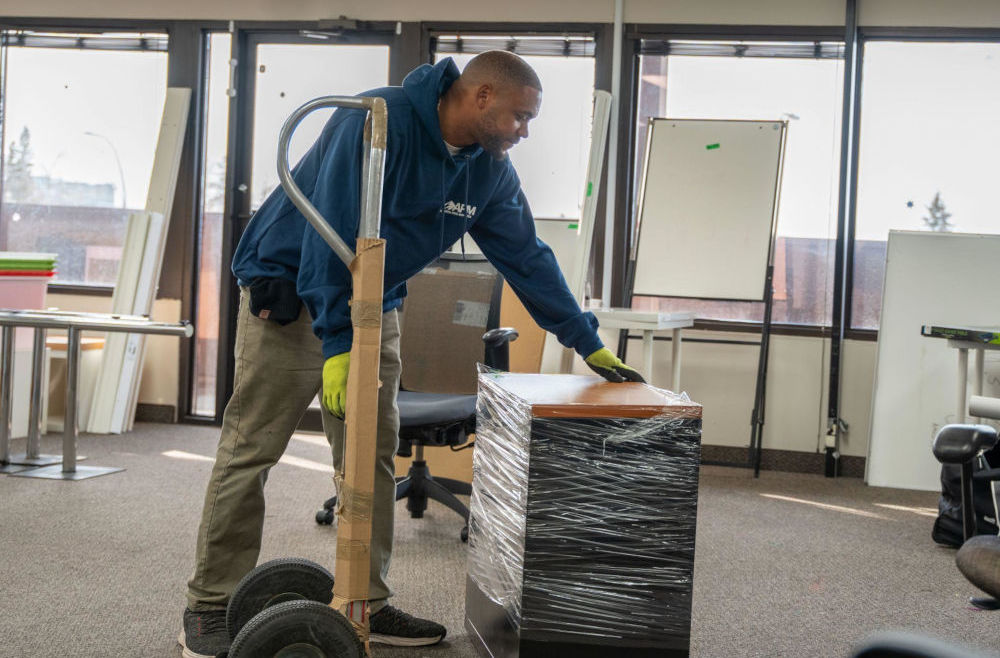
Most professional movers in Alberta charge between $120 and $180 per hour for two movers and a truck in 2026, and roughly $160 to $230 per hour for a three-person crew. Calgary and Edmonton sit across that full range; Red Deer rates are published at the middle to upper end, simple Lethbridge jobs are often quoted at the lower end, and Fort McMurray is usually priced differently because distance and a smaller local market change how the job is quoted. The hourly rate, though, is only half of what you pay. The other half is how many hours your move takes, and in Alberta that number depends on highway distance, winter conditions, building access, and the calendar.
This guide compares five Alberta moving markets using rates published by local moving companies. Alberta Pro Movers is a Calgary-based, fully insured moving company serving households and businesses across Alberta.
Key Takeaways
- Two movers and a truck typically cost $120 to $180 per hour across Alberta in 2026, and three movers cost roughly $160 to $230 per hour.
- A bigger crew costs more per hour but often less in total, because it finishes the job sooner.
- Most local moves carry a two- to three-hour minimum, and many companies bill travel time from their base.
- Moves between cities are usually priced on distance and the volume of your belongings rather than on hours alone.
- Summer and month-end dates are the most expensive; winter moves are commonly quoted 20 to 30 percent lower.
- Alberta has no provincial sales tax, so a moving invoice adds only the 5 percent Goods and Services Tax (GST).
Alberta Moving Rates at a Glance
The table compares published hourly rates for local moves within the same city or metro area. Rates typically include the truck, local fuel, and standard equipment such as dollies, straps, and moving blankets, but not packing labour, materials, specialty items, or GST.
| City | Two movers and a truck | Three movers and a truck | Typical minimum | What most often adds hours |
|---|---|---|---|---|
| Calgary | $120 to $180 per hour | $160 to $230 per hour | Two to three hours | Condo elevator windows, street parking, Chinook ice |
| Edmonton | $120 to $180 per hour | Limited published rates | Two to three hours | Travel billed from the depot, long cold snaps |
| Red Deer | $145 to $179 per hour | About $200 per hour (limited published rates) | Varies by company | Travel time when the crew starts outside the city |
| Lethbridge | $120 to $150 per hour for simple jobs | $160 to $220 per hour | Two to four hours | Wind, river valley access, university move-in |
| Fort McMurray | Few published hourly rates | Few published hourly rates | Local moves often flat-priced | Highway distance, extreme cold |
Source: market ranges compiled by One Core Media in September 2026 from rates published by moving companies in each city. Ranges are for budgeting only and are not a quote.
What the Hourly Rate Usually Includes
For a local move, the hourly rate normally covers the crew, the truck, fuel for driving within the city, dollies, straps, and moving blankets. What varies is where the clock starts. Many companies bill from door to door, meaning from the moment the crew leaves the depot until it returns, and on a typical Edmonton move that alone adds 30 to 60 minutes to the invoice. A lower rate with travel billing and a longer minimum can easily cost more than a higher rate that starts at your door.
Why the Hourly Rate Is Only Half the Price
Two quotes at the same hourly rate can produce invoices that differ by hundreds of dollars. We call this the billable-hour stretch: the extra time a move takes because of conditions, not the amount of furniture. A walk-up with narrow stairs, a shared elevator, a truck parked half a block away, or an icy driveway all stretch billable hours without adding a single box.
Crew size is the clearest example. At published Edmonton rates, two movers at $140 per hour who need eight hours cost $1,120, while three movers at $180 per hour who finish the same job in five and a half hours cost $990. So when you compare movers, compare how many hours each one expects your move to take, and what they assume about access.
How Much Do Movers Cost in Calgary?
In 2026, Calgary movers typically charge $120 to $180 per hour for two movers and a truck, and $160 to $230 per hour for three. Published four-person crew rates run about $199 to $260 per hour. A local move usually costs from about $500 for a studio to $4,500 or more for a large estate home. Calgary covers more than 800 square kilometres, so a cross-city move can add 30 to 60 minutes of driving each way.
Typical Calgary Moving Costs by Home Size
| Home size | Typical hours | Typical total |
|---|---|---|
| Studio or bachelor suite | Three to five | $500 to $800 |
| One-bedroom apartment | Four to six | $700 to $1,100 |
| Two-bedroom home | Five to seven | $1,000 to $1,500 |
| Three-bedroom home | Six to nine | $1,200 to $1,800 |
| Four-bedroom home | Eight to 12 | $1,800 to $2,800 |
| Five bedrooms or more | 10 to 16 | $2,800 to $4,500 or more |
Source: published cost guides from Calgary moving companies, based on 2025 local moves of under 50 km between addresses. Homes with basements typically take one to two hours longer.
What Makes a Calgary Move Take Longer
Building access comes first. Condo towers in the Beltline, downtown, and East Village commonly require a booked service elevator, a certificate of insurance (a document proving the mover carries liability insurance), and a move within set hours. Elevator windows are often limited to two- to four-hour blocks, which is one reason Beltline condo moves can cost 20 to 40 percent more than suburban moves of the same size.
Parking comes second. The City of Calgary issues a Temporary No Parking Permit to hold curb space for a personal move, but only together with a Street Use Permit, so apply for both early if your street has permit-only or time-limited parking.
Weather is third. Calgary’s Chinooks are most common from November to March and can raise the temperature by about 20°C within hours, so a road that is icy at 7 a.m. can be bare by noon, or the reverse. Salt both walkways the night before and again that morning. Timing adds a fourth factor: the Calgary Stampede in early July brings downtown road closures and heavy traffic, and many movers charge peak rates that week. For a local job, our local moving team reviews access details before quoting, so the estimate reflects the real move.
How Much Do Movers Charge Per Hour in Edmonton?
Edmonton movers publish rates of $120 to $180 per hour for two movers and a truck in 2026, with many established companies landing between $130 and $160. Published totals for local moves run about $500 to $800 for a studio or one-bedroom apartment, $900 to $1,500 for a two-bedroom home, and $1,500 to $2,300 for a three-bedroom house.
Colder Winters and a Wider Metro
Calgary’s Chinooks make its winters unpredictable, while Edmonton’s winters are more consistently cold. Truck ramps ice up, doors stay open between trips, and crews take extra care with electronics and wood finishes. Some Edmonton movers recommend rescheduling when temperatures drop below minus 25°C, to protect both furniture and crews.
The metro spreads well past city limits, and moves to or from Sherwood Park, St. Albert, or Leduc add travel time. Peak season in Edmonton runs from May to September, and a July move can cost up to 25 percent more than the same move in February.
What It Costs to Move Between Calgary and Edmonton
The route covers about 300 kilometres on the Queen Elizabeth II Highway (QEII), roughly three hours of driving for a moving truck. Movers usually quote a flat price based on volume and distance, or charge hourly for loading and unloading plus a fixed fee for the drive. Published prices range from about $840 for a small apartment to about $3,700 for a full household, and most two-bedroom estimates fall between roughly $1,500 and $3,500.
The biggest variable is readiness at the far end. If the new home is not available when the truck arrives, the crew waits, and waiting on an intercity move is expensive. A short stay in moving storage between homes often costs less, and our long-distance moving team can quote both.
Red Deer Moving Costs: Priced by the Corridor
Red Deer moving companies publish two-mover rates of about $145 to $179 per hour, and at least one local company lists a three-mover crew at $200 per hour. Published totals start at about $600 to $800 for a one-bedroom apartment, $700 to $1,100 for a two-bedroom condo or home, and $1,750 to $2,250 for a three-bedroom house.
Red Deer sits about 150 kilometres north of Calgary on the QEII, roughly an hour and a half of driving, and that position shapes the price as much as the rate does. The local market is smaller than in the two large cities, and some companies bill from the moment the truck leaves their shop until it returns. Some Edmonton-based movers quote a flat travel fee for Red Deer jobs.
Before booking, ask where the crew is starting from and how travel is billed.
People compare hourly rates because that's the number on the website, but it's rarely what separates two invoices. A two-bedroom in a Calgary tower with a booked elevator and a two-bedroom walk-up in Fort McMurray in January are completely different jobs, so ask every mover how many hours they expect and what they assumed to get there, says Adam O'Keefe, CEO of Alberta Pro Movers.
Lethbridge Moving Costs: Wind, Coulees, and a University Calendar
In Lethbridge, simple two-mover jobs, such as an apartment with elevator access and drive-up parking, are published at about $120 to $150 per hour. Three-person crews, larger trucks, or homes with stairs and difficult access move into the $160 to $220 range, with minimums of two to four hours.
The first is wind. Environment Canada has ranked Lethbridge among the windiest places in the country, and sustained winds above 40 km/h are a regular part of the year. Strong gusts slow the carrying of mattresses, tabletops, and other large flat items.
The second is geography. The Oldman River valley separates West Lethbridge from the rest of the city, so a move across the river adds bridge crossings, and some coulee-edge homes have steep driveways or long carries from the truck.
The third is the calendar. Demand peaks around the University of Lethbridge move-in weekend, when student apartment moves fill crews quickly, so book two to four weeks ahead if your date falls near it. The drive from Calgary is about 215 kilometres, a little over two hours.
Fort McMurray Moving Costs: When Distance Sets the Price
Fort McMurray is the hardest Alberta city to compare by the hour, because very few local movers publish full-service hourly rates. Labour-only helpers, meaning crews that load a truck you rent yourself, are listed on moving marketplaces at roughly $90 to $100 per hour, but that excludes the truck, fuel, and coverage for your belongings on the road. Full-service local moves are more often quoted as flat prices, and one local company advertises local moves at $350 to $900 depending on home size and distance. We did not find enough published data for a reliable full-service hourly range, so rely on a written estimate.
Highway 63 and the Northern Winter
Most moves into or out of Fort McMurray use Highway 63. The drive from Edmonton is about 435 kilometres, four and a half to five hours in good conditions, on a highway known for heavy industrial traffic and challenging winter driving. If a crew hits a closure or whiteout, they either wait or stop for the night, and both affect the price. Check 511 Alberta for road conditions and build a buffer day into any winter move north of Edmonton.
What a Calgary or Edmonton to Fort McMurray Quote Contains
From Calgary, Fort McMurray is about 745 kilometres, or seven to eight hours of driving before any loading or unloading. Some Edmonton-based movers quote a flat travel fee for moves to Fort McMurray, while longer moves are typically priced on the volume or weight of your shipment and the distance, rather than by the hour.
Alberta’s wildfire season also runs officially from March 1 to October 31, and evacuations or highway closures can disrupt plans with little notice, so ask how your mover handles a delay before you commit to a date.
Distance, Weather, and Geography: The Alberta Cost Map
Every cost difference in this guide comes back to three forces: how far the truck travels, what the weather does to the work, and how easy it is to reach the door.
| Route | Approximate distance | Typical drive time | Main risk to the schedule | Dates to plan around |
|---|---|---|---|---|
| Across Calgary | Up to 50 km | 30 to 60 minutes each way | Elevator windows, parking, Chinook ice | Stampede week, month-end |
| Calgary to Red Deer | About 150 km | About 1.5 hours | Winter conditions on the QEII | Month-end, winter storms |
| Calgary to Lethbridge | About 215 km | A little over 2 hours | Crosswinds on open highway | University move-in weekend |
| Calgary to Edmonton | About 300 km | About 3 hours | Destination not ready on arrival | Summer weekends, month-end |
| Edmonton to Fort McMurray | About 435 km | 4.5 to 5 hours | Industrial traffic, winter conditions | Wildfire season, deep winter |
| Calgary to Fort McMurray | About 745 km | 7 to 8 hours | Long travel day before unloading | Wildfire season, deep winter |
Source: approximate road distances and good-weather drive times; schedule risks compiled by One Core Media from published moving company guidance and provincial highway and wildfire information.
Weather by Region
In the south, the problem is change rather than cold. Chinooks swing Calgary and Lethbridge between thaw and freeze, so icy surfaces cause most delays. Central and northern Alberta face longer, steadier cold, where the issues are frozen equipment, slower loading, and protecting temperature-sensitive items.
Geography and Access
River valleys divide Edmonton and Lethbridge, walk-ups in older inner-city neighbourhoods slow every trip, and acreages mean long lanes. Stairs alone can add 15 to 30 minutes per flight. In all five cities, though, the largest access factor is the distance between where the truck can legally park and your front door.
The Calendar Effect
Summer is the most expensive season across Alberta. In Calgary, June to August moves cost 20 to 30 percent more than winter moves, and in Edmonton, summer and month-end dates run 20 to 30 percent higher. Weekday and mid-month moves are often priced 10 to 25 percent lower than month-end weekends, so flexibility on your date is one of the few things that lowers the rate itself.
How to Read an Alberta Moving Quote
A quote tells you what a mover assumed about your move, so read it for those assumptions. Check these points before you sign:
- Pricing structure: hourly, flat rate, or a not-to-exceed estimate (a price that can come in lower but not higher). Most Alberta estimates are non-binding unless you ask otherwise.
- Minimum hours, and whether travel counts toward them.
- Surcharges for stairs, long carries, heavy items, fuel, or weekends.
- Coverage for your belongings. Basic mover liability is often limited to $0.60 per pound per item, so a 30-pound TV would be covered for $18.
- Whether the 5 percent GST is included.
Alberta’s Consumer Bill of Rights explains how the Consumer Protection Act applies to services bought in the province, including your right to be charged only for services you requested and agreed to pay for. A written, itemized estimate is what lets you rely on that protection.
Red Flags in a Moving Quote
- A price given without questions about inventory, stairs, elevators, or parking.
- Cash only, or a “no tax” price, which usually signals an uninsured operator.
- A deposit requested by transfer to a personal account.
- A rate far below every other quote, which often comes back as fees on move day.
How to Lower Your Moving Cost Anywhere in Alberta
- Pack before the crew arrives and label boxes by destination room. Uniform boxes and packing supplies stack and load faster.
- Choose a mid-month weekday, and book elevators and parking at both addresses.
- Move less. We can collect usable items you no longer want and donate them to Calgary charity partners such as WINS, the Calgary Drop-In Centre, and Inn from the Cold at no extra cost.
- Use storage to bridge a date gap instead of paying a crew to wait.
- Book online and save 10 percent.
If your timeline is already tight, our guide to last-minute movers in Calgary explains what to tell a mover on the first call.
Conclusion: What Moving in Alberta Really Costs
Across Alberta, the hourly rate for two movers and a truck sits in a narrow band of $120 to $180 in 2026. What separates one invoice from another is everything that happens around that rate. In Calgary, it is condo elevator windows, street parking, and Chinook ice. In Edmonton, it is travel billed from the depot and long cold snaps. Red Deer and Lethbridge add travel time, wind, and university move-in dates, while Fort McMurray is priced on distance rather than hours.
That is why the most useful question for any mover isn't just what they charge per hour, but how many hours they expect your move to take and what they assume to get there. A written, itemized estimate answers both.
Alberta Pro Movers is fully insured, carries full liability coverage, and quotes with no hidden fees in Calgary, Edmonton, Red Deer, Lethbridge, and Fort McMurray. Request a free estimate, or book online and save 10 percent.
Frequently Asked Questions
How much do movers cost in Calgary for a two-bedroom move?
Published Calgary data puts most two-bedroom local moves at five to seven hours, or about $1,000 to $1,500 before packing services and GST. Stairs, elevator bookings, a basement, and long carries push the total higher.
How much do movers charge per hour in Edmonton?
Edmonton movers publish rates of $120 to $180 per hour for two movers and a truck, with many established companies between $130 and $160. Most set a two- to three-hour minimum, and many bill travel time from their depot.
How much does it cost to move from Calgary to Edmonton?
Published prices range from about $840 for a small apartment to about $3,700 for a full household, with most two-bedroom estimates between roughly $1,500 and $3,500. Movers usually price based on volume and distance.
Do Alberta movers charge GST?
Yes. GST-registered movers charge the 5 percent federal tax. Alberta has no provincial sales tax, so GST is the only sales tax on a moving invoice here.
Is it cheaper to move in winter in Alberta?
Usually, yes. Calgary moves from November to February are commonly quoted 20 to 30 percent lower than summer moves, and February is typically the lowest-demand month in Edmonton. Winter moves can take longer because of ice and cold, so plan for slower loading.
Why are Fort McMurray moves priced differently?
Distance, a smaller local moving market, and northern winter conditions. Moves from Calgary or Edmonton involve a long drive on Highway 63 and are usually priced on volume, distance, or a flat travel fee rather than hours.
Do movers charge for travel time?
Many do. Some bill from portal to portal from the depot, some add a flat travel charge, and some start the clock at your door. Confirm it in writing before you book.

Recent Posts
- How Much Does It Cost to Move Across Canada?
- What Movers Charge Per Hour Across Alberta: Calgary, Edmonton, Red Deer, Lethbridge, Fort McMurray
- First Apartment Checklist: Everything You Need for Your First Move
- Last-Minute Movers in Calgary: What to Do When You Need to Move Fast
- Senior Moving Services in Calgary: Compassionate Help for Older Adults
- Calgary Movers with No Hidden Fees: How to Get a Fixed Quote and Avoid Surprise Charges