


Moving in Winter in Alberta: How to Plan Around Snow, Cold and the Highway
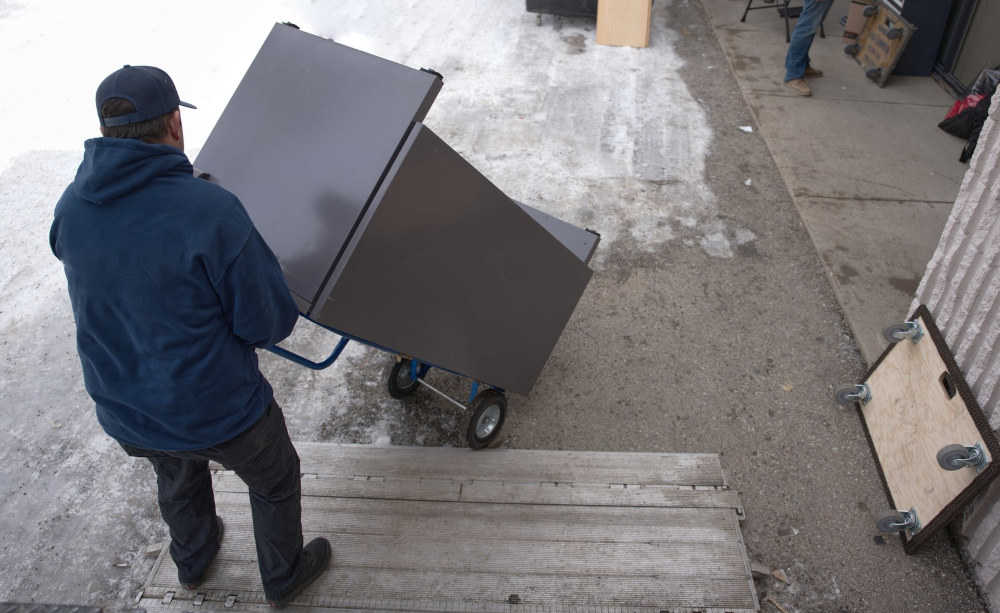
Winter moving in Alberta works when the plan is built around the road and the cold, not only the date. The job is the same as in summer. What changes is the drive between cities, where the truck can park after a snowfall, and what happens to goods that sit in a cold truck overnight.
Winter is the quieter season for movers. Published summer prices on busy corridors run roughly 20 to 30 percent above the same route in fall or winter, and more dates are open. The trade is weather. A storm on Highway 2, a snow route parking ban in Calgary, or an avalanche control closure in Rogers Pass can move a delivery by hours or by a day.
This guide covers the parts of a winter move that change across the province: highways, city snow rules, temperatures inside the truck, utilities at the new address, and storage when dates slip.
Key Takeaways
- Winter dates are easier to book, and published summer rates on busy routes sit roughly 20 to 30 percent higher than fall or winter. Month-end still fills first.
- Calgary to Edmonton is about 300 kilometres on Highway 2. In winter, check 511 Alberta before the truck leaves and keep a spare day in the plan.
- Winter tires are not mandatory in Alberta. In British Columbia, winter tires or chains are required on most highways from October 1 to April 30.
- Avalanche control can close the Trans-Canada Highway through Rogers Pass for 2 to 8 hours or longer. A delivery window to BC should allow for it.
- Apple lists minus 20 degrees Celsius as the lowest storage temperature for iPhone and iPad. Alberta cold snaps go below that, so phones, laptops and medication travel with you.
- Calgary property owners must clear public sidewalks to the bare surface within 24 hours after snowfall ends. Snow route parking bans last up to 72 hours. Edmonton runs Phase 1 and Phase 2 parking bans.
- The Utilities Consumer Advocate recommends setting up utilities at least two weeks before possession, so the heat is confirmed before the truck arrives.
Is moving in winter a good idea in Alberta?
For many households, yes. Moving in winter in Alberta trades summer demand for weather risk. Crews and trucks are less booked, so the date you want is more likely to be open, and the published premium for summer moves on busy corridors is roughly 20 to 30 percent over fall or winter. Local work in Alberta is still commonly $120 to $180 an hour for two movers and a truck, and a quiet week makes it easier to get a morning start.
The cost of winter is time. Snow slows the carry from the door to the truck, ramps and walkways need clearing, and short days push more of the job into the dark. Edmonton and northern Alberta get less daylight in December than Calgary and Lethbridge because they sit farther north. On an hourly or flat-rate move, a slower day shows up differently: the hourly bill grows with the hours, while a flat rate carries the risk on the mover's side.
Winter works best when the dates have some room. If a lease ends on December 31 and the new keys arrive on January 1, a closed highway leaves you with no plan B. If you can choose a mid-month weekday and keep one spare day, moving during winter is often the easier booking. Our guide to the cheapest and busiest months to move compares the calendar in more detail.
Winter and summer moves compared
| Winter (November to March) | Summer (May to September) | |
|---|---|---|
| Date choice | More open dates, month-end still busy | Fills first, especially month-end |
| Published price on busy routes | Lower | Roughly 20 to 30 percent higher |
| Main risk | Snow, cold, road closures | Booking lead time |
| Daylight | Short days, more work after dark | Long days |
| What to plan | A spare day and a road check | Book four to eight weeks ahead |
The table is a starting point, not a quote. A winter move with a firm possession date and a mountain pass on the route needs more buffer than a summer move across town. A mid-month winter move inside one city is often the simplest job of the year.
How does winter change a move between Alberta cities?
Between cities, the highway decides the schedule. Calgary to Edmonton is about 300 kilometres on Highway 2, the Queen Elizabeth II Highway, and roughly three hours of driving in normal conditions. Blowing snow and ice can stretch that or close sections of the road. A move that finishes in one long day in July can turn into an overnight hold in January.
Check 511 Alberta, the province's road report, the evening before and the morning of the move. It shows closures, conditions and highway cameras. Winter tires are not mandatory in Alberta, but the RCMP and Alberta Transportation recommend four winter tires for winter driving. That applies to the car you drive behind the truck as much as to the truck.
Northern routes add distance and cold. A move to Grande Prairie or Fort McMurray covers long stretches between towns, and a breakdown or closure there is harder to wait out. Plan fuel, food and warm clothing for your own vehicle, and keep the mover's dispatch number in your phone.
The pricing model follows the day. A move that finishes the same day is billed like local moving. A move that holds goods on the truck overnight is priced as long-distance moving. In winter, ask which model applies if the road closes halfway, because that is where the two meet.
What winter changes on each type of route
| Route | What winter changes | What to put in the plan |
|---|---|---|
| Within one city | Snow routes, windrows, icy access, short daylight | Morning start, cleared access, a parking plan for ban days |
| Calgary, Red Deer and Edmonton | Highway 2 conditions can change during the drive | Check 511 Alberta, keep a spare day, confirm what happens if the truck holds overnight |
| Northern Alberta | Long distances between services and colder nights | Extra travel time, a winter kit in your own vehicle, goods that must not freeze travel with you |
| Alberta to British Columbia | Mountain passes, BC tire rules, avalanche control closures | A delivery window with closure time built in, DriveBC checked alongside 511 Alberta |
What changes when a winter move crosses into British Columbia?
The rules change at the border. Winter tires or chains are required on most British Columbia highways from October 1 to April 30. On select highways outside mountain passes and high snowfall areas, the requirement ends March 31. Commercial vehicles must carry chains on most routes. Alberta has no winter tire law, so a car that is legal in Calgary can be turned away and fined on a BC mountain highway.
Rogers Pass is the part of the trip people underestimate. Parks Canada runs avalanche control on the Trans-Canada Highway there, and closures can last 2 to 8 hours or longer depending on the hazard, road conditions and weather. Parks Canada counts roughly 100 hours of avalanche control closures a year in the Rogers Pass area. A truck held at a closure will not reach Kelowna or Vancouver on the Trans-Canada route at the time a summer schedule promises.
Check DriveBC alongside 511 Alberta when you plan the drive. Our breakdown of the cost to move across Canada covers Calgary to Vancouver pricing and transit times. In winter, use the longer end of the transit window when you book temporary housing or a first day at a new job.
"A winter schedule has to be built around the road, not the calendar. If Highway 2 or a mountain pass closes, the safe call is to hold the truck and tell the customer early. What that means for the date and the bill should be written down before anyone books," says Adam O'Keefe, CEO, Alberta Pro Movers.
What happens to your belongings in a cold truck?
Moving in the cold puts the most strain on goods that spend nights in the truck. On a long haul, the night matters more than the hour of loading. If the cargo area is not heated, the load sits close to the outdoor temperature, and Alberta cold snaps can push well below minus 20 degrees Celsius. That is colder than some household items are rated for.
Electronics are the clearest case. Apple rates iPhone and iPad for storage between minus 20 and 45 degrees Celsius and for use between 0 and 35 degrees. Phones, tablets and laptops are easy to carry in your own vehicle, so they should not ride overnight in a freezing truck. Larger electronics that do ride on the truck need time to reach room temperature before they are switched on, because cold equipment brought into a warm house can collect condensation.
Liquids and plants follow the same logic. Water-based paint and many cleaning products can be ruined by freezing, and several of them are already on the list of items movers refuse to transport. Houseplants rarely survive hours in a cold truck. Medication, documents and anything you need on the first night should travel with you.
| Item | Winter risk | What to do |
|---|---|---|
| Phones, tablets, laptops | Apple's storage floor is minus 20 degrees Celsius | Carry them in your own vehicle |
| TVs and other electronics on the truck | Condensation when moved from cold into a warm room | Let them reach room temperature before powering on |
| Water-based paint and liquids | Freezing can ruin them, and movers refuse some of them | Use them up, give them away, or move them yourself where allowed |
| Houseplants | Cold damage during loading and transit | Move them wrapped, in a heated vehicle |
| Medication and documents | Cold, and the need to reach them on the first night | Keep them with you |
| Wood furniture and pianos in storage | Long periods in an unheated space | Ask for climate-controlled storage |
Heavy and delicate pieces add handling time in snow, not only distance. Specialty item moving covers pianos, antiques and large televisions, and those pieces should be named in the quote before a winter date is set.
What city snow rules affect moving day?
Moving house in the snow is mostly a parking and access problem. Snow rules decide where the truck can stop and whether the crew walks on bare concrete or packed ice. Calgary's Street Bylaw requires property owners to clear public sidewalks beside their property down to the bare surface within 24 hours after a snowfall ends. The City does not clear windrows, the ridges plows leave along the curb, so the spot where the truck will stop may need shovelling before the crew arrives.
Calgary also calls snow route parking bans after heavy snow. The City usually gives one to two days' notice, a ban lasts up to 72 hours or until it is lifted, and vehicles left on a snow route can be ticketed and towed. Snow routes are marked with blue signs and a white snowflake. If your street is one of them and a ban lands on moving day, tell the mover early so the parking plan changes before the truck arrives.
Edmonton clears snow in phases. A Phase 1 parking ban covers arterial and collector roads, bus routes and roads with Seasonal No Parking signs. A Phase 2 ban, when it is declared, covers residential and industrial roads, and vehicles parked on those roads can be ticketed. Edmonton's Community Standards Bylaw requires the sidewalk beside your property to be kept clear of snow and ice. Our Edmonton moving team plans truck parking around the phase that is in effect.
| City | Sidewalk rule | Parking during snow clearing |
|---|---|---|
| Calgary | Bare surface within 24 hours after snowfall ends | Snow route bans up to 72 hours, usually one to two days' notice |
| Edmonton | Sidewalk beside the property kept clear of snow and ice | Phase 1 on major roads and bus routes, Phase 2 on residential roads when declared |
| Other municipalities | Set by each town | Check the town's bylaw page and notices |
Other Alberta towns set their own rules. Check the bylaw page for the town at each end of the move. For a condo or apartment, ask the property manager about the loading zone and when the lot is plowed.
What should be ready at the new address before a winter delivery?
Heat comes first. In Alberta, electricity and natural gas are bought from a retailer you choose, which is different from provinces with a single utility. The Utilities Consumer Advocate recommends setting up services at least two weeks before possession. A company offering the regulated rate can open an account right away, while a competitive retailer can take 10 to 90 days. Confirm that the heat is on before delivery day, not after the truck is unloaded.
Then the access. The driveway and the walk at the new address need to be clear before the crew starts carrying, and someone has to own that job if you are still on the road. Turn on the entry lights before dark. In December, a mid-afternoon delivery can finish after sunset.
If you are arriving from another province, utilities are one item on a longer first-month list. Our guide on how to move to Alberta from another province covers the rest.
What if snow and possession dates do not line up?
Winter adds two reasons for dates to slip: a closed highway and a late possession. Storage fills that gap. Pallet storage at our Calgary facility is $2.50 per day per pallet (8 by 6 by 7 feet), billed on a 30-day cycle and prorated by the day. Climate-controlled space matters for wood furniture and electronics through an Alberta winter. Storage can be booked for a few days or for the whole gap between dates.
On a long-distance move, in-transit storage is billed by shipment weight, and the rate depends on the city where the goods sit. Ask in writing what happens to the schedule and the bill if weather holds the truck, so a closed road does not turn into a dispute on delivery day.
What are the most useful tips for moving in winter in Alberta?
The tips that matter most in Alberta come from distance and cold, not from the snow on your own driveway. Each one below links back to the part of this guide that explains it.
- Pick a mid-month weekday and keep one spare day after it, because winter moving in Alberta runs on the road report.
- Check 511 Alberta the evening before and the morning of the move, and DriveBC as well if the route crosses into British Columbia.
- Fit winter tires before driving behind the truck, and carry chains or confirm your tires meet BC rules for mountain highways.
- Carry phones, laptops, medication and documents in your own vehicle instead of leaving them in a cold truck overnight.
- Let televisions and other electronics reach room temperature before you switch them on.
- Check whether your street is a Calgary snow route or falls under an Edmonton parking ban on moving day.
- Confirm the heat is on at the new address before the delivery date.
- Put the weather plan, the overnight hold and storage in the written quote.
What should a winter moving quote include?
A winter quote should answer the weather questions before the date is booked. Get it in writing, built on the same inventory you would give any mover, with these lines:
- Start time, and whether the crew starts early to use daylight.
- Pricing model: hourly, flat, or weight and distance, and what changes if the truck holds overnight.
- Weather plan: who decides to postpone, how much notice you get, and whether rescheduling costs anything.
- Route and transit window, including mountain passes on a move to British Columbia.
- Storage if delivery cannot happen on the planned day, and whether that space is heated.
- Items that will not go on the truck in freezing weather.
- Access at both ends: parking, snow routes, elevators, and who clears the walk.
Booking lead time is shorter than in summer. Outside the May to September peak, shorter notice is often possible on interprovincial routes, but month-end dates still fill first.
"The line I want on every winter quote is the overnight plan. If the road closes halfway, the customer should already know where the goods will sit, whether that space is heated, and how the bill changes. That conversation is easy in November and hard on a closed highway in January," says Adam O'Keefe, CEO, Alberta Pro Movers.
A winter move in Alberta runs on the road report and the thermostat
Moving in winter in Alberta is often the easier booking and the lower price compared with summer. The plan has to account for what summer does not: Highway 2 in a storm, BC tire rules and avalanche control on the way west, parking bans in Calgary and Edmonton, and a load that sits in the cold overnight.
The limit is the weather itself. No quote can promise that a highway stays open, and a firm date with no spare day is the riskiest winter plan. Keep one day in reserve, carry electronics and medication with you, confirm the heat at the new address, and put the weather plan in writing.
Our Alberta movers run routes from Calgary and from Edmonton. Send your dates, both addresses and the inventory in one free moving estimate request. For routes that run past a single day, our long-distance moving team will confirm which pricing model applies before the truck is booked.
Frequently Asked Questions
Is it bad to move in the winter?
Not if the plan allows for weather. Moving in the winter usually means more open dates and lower prices than summer. The risks are road closures, short daylight and cold in the truck, so keep a spare day, carry electronics and medication with you, and confirm the heat at the new address.
Is it cheaper to move in winter in Alberta?
Often, yes. Published summer prices on busy corridors run roughly 20 to 30 percent above the same route in fall or winter, and more dates are open. Snow can make an hourly local move take longer, so the saving is in the rate and the choice of dates, not always in the total hours. Month-end winter dates still fill first.
What is the best month to move in Alberta?
For price and availability, a mid-month weekday outside the May to September peak is usually the easiest booking. For weather, early fall and late spring avoid most of the deep cold. If the move has to happen in December, January or February, choose a date with a spare day after it.
Do movers work in snow and extreme cold?
Professional movers in Alberta plan for snow and cold as part of the season. A move can still be postponed when a highway closes, when a storm makes loading unsafe, or when a mountain pass is shut for avalanche control. Ask in writing who makes that call, how much notice you get, and whether a weather reschedule costs anything.
Do I need winter tires to move to British Columbia in winter?
Alberta does not require winter tires, but British Columbia requires winter tires or chains on most highways from October 1 to April 30, and some routes end on March 31. A legal winter tire in BC carries the mountain and snowflake symbol or the M+S mark and has at least 3.5 millimetres of tread. Check the designated routes before you drive behind the truck.
How long does a Calgary to Edmonton move take in winter?
The drive is about 300 kilometres and roughly three hours in normal conditions. Loading and unloading come on top of that, and snow on Highway 2 can add more time. Check 511 Alberta before departure and keep a spare day in case the road closes.
Can electronics stay in a moving truck overnight in winter?
Phones, tablets and laptops should travel with you. Apple rates iPhone and iPad for storage down to minus 20 degrees Celsius, and Alberta cold snaps can go lower. Larger electronics that ride on the truck should reach room temperature before they are switched on, so condensation does not form inside them.
Can a moving truck park on a Calgary snow route during a parking ban?
Vehicles left on a snow route during a ban can be ticketed and towed, and a ban lasts up to 72 hours or until The City lifts it. Calgary usually announces a ban one to two days ahead. If your street is a snow route, tell your mover as soon as a ban is announced so the parking plan changes before moving day.

Recent Posts
- Moving in Winter in Alberta: How to Plan Around Snow, Cold and the Highway
- How Much Does It Cost to Move Across Canada?
- What Movers Charge Per Hour Across Alberta: Calgary, Edmonton, Red Deer, Lethbridge, Fort McMurray
- First Apartment Checklist: Everything You Need for Your First Move
- Last-Minute Movers in Calgary: What to Do When You Need to Move Fast
- Senior Moving Services in Calgary: Compassionate Help for Older Adults