


Moving With Pets: How to Keep Animals Calm and Safe During a Move
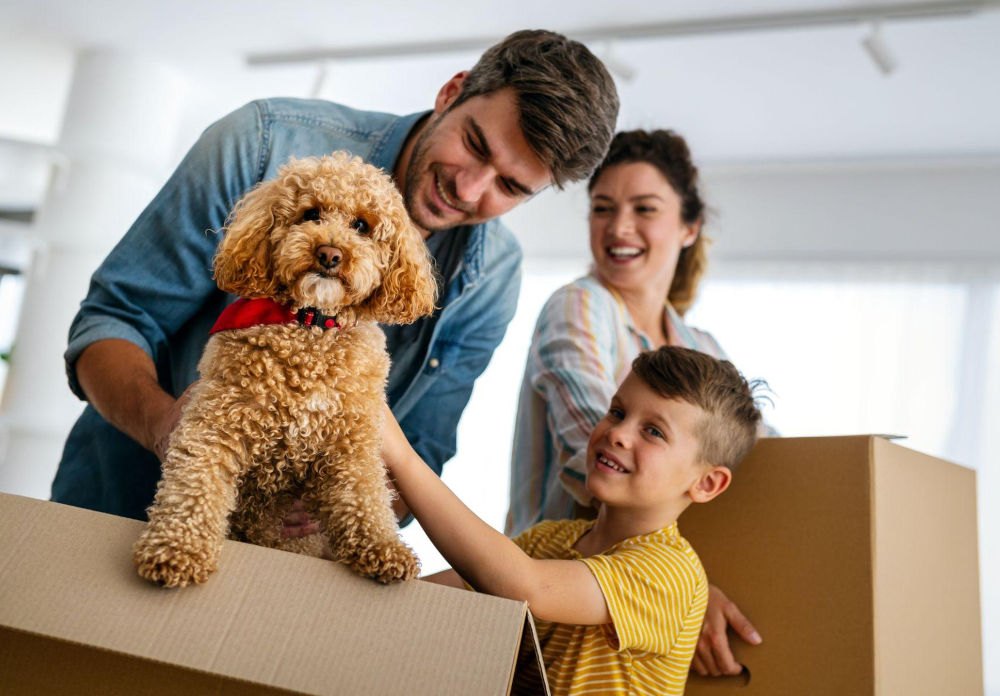
Relocating is one of the most disruptive experiences a household can go through, and for pets, the disruption runs deeper than most owners expect. Animals rely on familiar scents, routines, and environments to feel secure. When those anchors disappear all at once, the result is genuine physiological stress, not just temporary confusion. Cornell University's College of Veterinary Medicine is actively studying stress markers such as hair cortisol in dogs during relocation, which tells you something important: the veterinary community now treats moving-related stress as a measurable health concern, not a minor inconvenience.
The good news is that the stress is largely manageable with the right preparation. Veterinary organizations, animal welfare bodies, and behavioural researchers have developed a clear body of guidance on how to move pets safely, and the core principles are consistent across species. Whether you have a dog, a cat, a rabbit, or a bird, the fundamentals come down to preparation before the move, safe containment during it, and a structured settling-in process afterward.
This guide brings together evidence-based strategies from veterinary networks, animal welfare organizations, and transport safety research to provide a practical, step-by-step framework. If you are working with a professional moving company, understanding these strategies also helps you coordinate the logistics of moving day so your crew and your pets are never in the same chaotic space at the same time.
Key Takeaways
- Relocation stress in dogs is measurable through physiological markers such as hair cortisol, and research at Cornell University is currently evaluating pheromone-based interventions to reduce it.
- Carrier acclimation at home before moving day is one of the most reproducible methods for reducing pet stress during transport, supported by peer-reviewed air travel research.
- Airline animal incidents are rare relative to the number of pets transported each year, and airline policies on crate standards, breed restrictions, and temperature limits have tightened in recent years.
- Over-sedation accounts for nearly half of all airline travel-related animal deaths, making veterinary consultation before any sedation essential.
- A dedicated safe room on moving day, stocked with familiar items and kept separate from moving activity, is recommended by both PDSA and RSPCA Australia as a core stress-reduction strategy.
- Updating microchip registry details and ID tags immediately after a move is critical for lost-pet recovery and is emphasized by multiple animal welfare organizations.
- Maintaining consistent feeding times, walk schedules, and routines after the move is one of the most effective ways to help pets settle into a new home.
What Moving Stress Actually Means for Pets
Moving stress in companion animals is the physiological and behavioural response to the combined disruption of familiar environment, routine, and travel. It manifests as elevated cortisol levels, anxiety-driven behaviours, appetite changes, and, in some cases, physical illness, and it is now recognized by veterinary researchers as a legitimate health concern rather than a temporary mood.
Understanding this distinction matters because it changes how you approach the problem. You are not trying to distract your pet or push through the discomfort faster. You are managing a genuine stress response with real biological underpinnings, which means the interventions that work are the ones grounded in behavioural science and animal welfare research.
The Canadian Food Inspection Agency's humane transport guidance for terrestrial animals emphasizes adequate space, protection from temperature extremes, and appropriate handling throughout any transport event. These principles apply directly to companion animals during residential moves, whether you are moving within the city or across the country.
The Biology Behind Pet Anxiety During Relocation
Cortisol is the primary stress hormone in mammals, and it rises in response to novel, unpredictable, or threatening environments. For a dog or cat, a move involves simultaneous loss of territorial scent markers, disruption of daily routine, exposure to unfamiliar people moving through the home, and confinement during transport. Each of these is a stressor on its own. Combined, they create a significant cortisol load.
Cornell University's ongoing DAP research is measuring this response through hair cortisol analysis, which captures cumulative stress over weeks rather than just the acute spike of a single moment. The fact that researchers are using this methodology signals that relocation stress is understood to be a sustained physiological event, not a brief reaction.
Why Some Pets Handle Moves Better Than Others
Individual variation in stress response is real and documented. Dogs with prior positive travel experience, regular exposure to novel environments, and strong owner attachment tend to adapt more quickly. Cats, being more territory-dependent, generally find moves more disorienting than dogs do. Senior animals and those with pre-existing anxiety conditions are at higher risk for prolonged stress responses and warrant closer veterinary attention before and after the move.
Breed and species matter too. Brachycephalic dog breeds (flat-faced breeds like bulldogs and pugs) face additional physical risks during transport because their respiratory anatomy makes them more vulnerable to heat stress and breathing difficulty in confined spaces. This is one reason why airlines have tightened restrictions on these breeds in cargo holds.
Why Pet Welfare in Transport Is Getting More Attention
Regulatory and consumer scrutiny on how pets are moved has increased significantly over the past several years, driven by a combination of incident reporting, welfare research, and shifting owner expectations. This is not just a cultural trend; it has produced measurable changes in airline policy, product development, and professional moving practices.
Established animal transport welfare standards require that animals be moved only when fit to travel, in journeys planned to be as short as possible, using vehicles designed to avoid injury and suffering, with adequate provision for water, feed, and rest. These standards, while written for commercial transport, establish the baseline expectations to which responsible pet owners and professional movers are increasingly held.
Air travel safety data has been a particular driver of change. Transportation authorities publish airline animal incident reports, and the attention those figures have attracted has pushed airlines to tighten policies on crate standards, breed restrictions, and temperature limits. Although incidents are rare relative to the number of animals flown, the scrutiny has raised the overall standard of care expected during any pet transport.
Historical incident patterns have driven both regulatory attention and owner demand for safer alternatives, including in-cabin travel, ground transport, and specialist pet relocation services. For most residential moves within a province, ground transport entirely avoids the added risks associated with air travel.
On the behavioural science side, animal welfare codes for companion animal transport set specific standards for container sizing and temperature control that reflect welfare research on minimizing distress. These frameworks create a de facto baseline for responsible pet moves, even when the relocation is domestic and owner-led.
Pre-Move Veterinary Preparation and Health Documentation
A veterinary visit two to three weeks before your move is the foundation of a safe relocation for any pet. This window gives you time to act on anything the vet identifies, whether that is updating vaccinations, addressing a health condition that could worsen under travel stress, or discussing calming options for anxious animals.
AAA's pet moving guidance recommends contacting your vet before the move to obtain copies of all medical records, vaccination certificates, and any prescriptions your pet may need. If you are moving across provincial or national borders, some destinations require proof of current vaccinations or health certificates issued within a specific timeframe, so confirming requirements early prevents last-minute complications.
What to Discuss With Your Vet Before Moving Day
The pre-move appointment should cover several practical areas. Greencross Vets recommends using this visit to confirm vaccination and desexing certificates are current, discuss whether sedation or calming medication is appropriate for your specific animal, and identify a new veterinary practice near your destination before you arrive.
Key topics to raise at your pre-move vet visit:
- Fitness to travel: Confirm your pet is healthy enough for the journey, particularly if they are elderly, pregnant, or managing a chronic condition.
- Vaccination status: Ensure all required vaccinations are current, especially if crossing provincial or international borders.
- Calming options: Ask about pheromone products, anxiety wraps, or prescription medications if your pet has a history of travel anxiety.
- Medical records: Obtain physical and digital copies of all health documentation to carry with you during the move.
- New vet registration: Get a referral or recommendation for a practice near your new home so you are not searching in an emergency.
Sedation: What the Safety Data Actually Shows
Sedation is a topic that deserves careful handling. While mild calming medications can be appropriate for some animals, the safety data on heavier sedation during air travel is sobering. A peer-reviewed study in the Canadian Veterinary Journal on the physiology and behaviour of dogs during air transport found that over-sedation accounts for nearly half of all airline travel-related animal deaths. Sedated animals have reduced ability to regulate body temperature and maintain balance in a moving carrier, which creates compounding risks.
This does not mean calming aids are off the table. It means the decision should be made with your vet based on your specific animal's health profile, the length of the journey, and the mode of transport. For ground moves, the risk profile is different from air cargo, but the principle of veterinary guidance before any sedation remains the same.
Creating a Safe Pet Travel Kit and Transportation Setup
A safe travel kit is not about buying the most expensive gear. It is about having the right items organized and accessible before moving day, so you are not scrambling as movers carry furniture through your front door.
The travel kit serves two purposes: it keeps your pet physically safe during transport, and it provides sensory continuity by surrounding them with familiar smells and objects. Both matter for reducing stress.
Carrier and Crate Selection
Carrier sizing follows a straightforward standard drawn from animal welfare codes. The NSW Animal Welfare Code specifies that transport containers must be small enough to prevent self-induced trauma from being thrown around, but spacious enough for the animal to turn around comfortably. For cats and small dogs, a hard-sided carrier with secure latches and adequate ventilation meets this standard. For larger dogs travelling by car, a secured crate or a safety harness that attaches to the seat belt provides equivalent protection.
AAA recommends that larger dogs be secured in vehicle-compatible safety harnesses during car travel rather than left loose in the back seat or cargo area. An unrestrained dog in a sudden stop becomes a projectile, which is dangerous for both the animal and the people in the vehicle.
What to Pack in Your Pet Travel Kit
The following items cover the core needs for most ground moves. Adjust based on journey length and your pet's specific requirements.
| Item | Purpose | Notes |
|---|---|---|
| Familiar bedding or blanket | Scent continuity, reduces anxiety | Do not wash it before the move |
| Food and water (measured portions) | Nutrition and hydration during travel | Withhold large meals 2 to 12 hours before travel |
| Collapsible water bowl | Hydration during stops | Offer water at every rest break |
| Favorite toy | Comfort and distraction | Choose one the pet already associates with calm |
| Pheromone spray or collar | Calming support | Adaptil for dogs, Feliway for cats |
| Medical records and vaccination certificates | Documentation for border crossings or emergencies | Keep physical copies accessible |
| Updated ID tag and microchip details | Lost-pet identification | Confirm details are current before departure |
| Waste bags or portable litter tray | Hygiene during stops | Essential for longer journeys |
| First aid basics | Minor injury management | Consult your vet on what to include |
Vehicle Safety During Ground Transport
Never leave a pet unattended in a parked vehicle. RSPCA transport guidance is explicit on this point, and the risk is real in both summer and winter conditions. Alberta's temperature extremes make this especially relevant: a car interior can reach dangerous temperatures within minutes in summer heat, and the risk of hypothermia is real in winter if the vehicle is left running but unmonitored.
Plan your route with rest stops every two to three hours for dogs, including water and a short leash walk. Cats generally do better with fewer stops, since opening the carrier in an unfamiliar environment can increase the risk of escape.
Managing Pet Anxiety: Calming Techniques and Medication Options
Pet anxiety during a move is a predictable response to a genuinely disorienting situation, and the most effective interventions work with that reality rather than against it. The two main categories of calming support are behavioural strategies (things you do) and product-based aids (things you use). The most effective approaches combine both.
Carrier Acclimation: The Single Most Reproducible Intervention
Carrier acclimation at home is one of the most reproducible methods for reducing pet stress during transport, based on an owner-reported study of dogs travelling by air published in a peer-reviewed journal and summarized on PubMed Central. The principle is simple: the carrier should not be a stranger to your pet on moving day.
Start the acclimation process at least two to three weeks before the move. Place the carrier in a room your pet uses regularly, leave the door open, and put familiar bedding and occasional treats inside. Let the pet explore and enter voluntarily. Greencross Vets recommends this approach specifically to help pets associate the carrier with safety rather than confinement. AAA suggests placing food in the crate weeks in advance to gradually build that positive association.
Pheromone Products and Their Evidence Base
Pheromone-based calming products have moved from fringe to mainstream in veterinary practice. Cornell University's College of Veterinary Medicine is currently funding research evaluating the effects of dog appeasing pheromone (DAP) on stress markers, including hair cortisol in dogs experiencing relocation. Dog appeasing pheromone is a synthetic analogue of a calming pheromone produced by lactating dogs, and it is available commercially in collar, diffuser, and spray formats under the brand name Adaptil.
For cats, the equivalent product is Feliway, a synthetic analogue of the feline facial pheromone. RSPCA recommends both products as tools to help pets feel more secure in a new environment. These are not sedatives and carry none of the sedation-related risks described earlier, which makes them a reasonable first-line option for most healthy pets.
Behavioural Strategies That Support Calmer Transitions
Beyond products, several behavioural approaches have consistent support across veterinary and welfare organizations:
- Maintain your normal routine as long as possible during the packing period. Feed at the same times, walk at the same times, and keep interactions calm and predictable.
- Avoid reacting to your pet's anxiety with excessive reassurance. Prolonged soothing can inadvertently reinforce anxious behaviour. Calm, matter-of-fact interaction is more effective.
- Keep packing gradual where possible. Sudden environmental changes are more stressful than incremental ones. If you can pack non-essential rooms first and leave your pet's core living area intact until the final days, do so.
- Use familiar scent as an anchor. RSPCA Australia and Greencross Vets both recommend not washing your pet's bedding for a couple of weeks after the move to help familiar scents remain in the new environment.
"Moving day is genuinely one of the most disorienting experiences a pet can have. The smells change, the sounds change, and the people they trust are stressed and distracted. The owners who handle it best are the ones who treat their pet's preparation as seriously as they treat their own packing timeline," says Adam O'Keefe, CEO, Alberta Pro Movers
Setting Up a Pet-Safe Environment in Your New Home
The moment you arrive at your new home is not the moment to let your pet explore freely. A structured introduction to the new space reduces the risk of escape, prevents injury, and gives your pet a controlled way to build familiarity rather than being overwhelmed all at once.
This phase of the move is when the safe room concept becomes essential, and it applies at both ends.
The Safe Room Strategy on Moving Day and at Arrival
PDSA recommends designating one room as a dedicated pet room on moving day itself. This room should be cleared of boxes, equipped with your pet's food, water, bed, litter tray (for cats), and familiar toys, and kept closed and quiet while movers are working. A sign on the door alerting movers not to enter is a simple but effective precaution.
The same principle applies when you arrive at your new home. Before bringing your pet inside, RSPCA Australia recommends ensuring the removalists have finished and the environment is as quiet as possible. Introduce your pet to one room at a time, let them settle, and gradually expand their access over the following days.
For cats specifically, RSPCA Australia advises confining them to a single room for the first few days, ensuring that litter, food, water, and a hiding spot are all present, and expanding their territory only once they are showing relaxed, exploratory behaviour rather than hiding or vocalizing.
Checking the New Home for Safety Hazards
Before your pet has access to any area of the new home, a safety check is worth the ten minutes it takes. Greencross Vets recommends checking boundary fencing for gaps or weak points before allowing dogs outside. Inside the home, identify and secure:
- Toxic plants (many common houseplants are harmful to cats and dogs)
- Accessible cleaning products or chemicals left by previous occupants
- Gaps behind appliances where small animals can become trapped
- Unsecured windows on upper floors
- Open fireplaces or heating vents
If you are using secure storage solutions during the transition period, keeping some of your pet's familiar furniture and items accessible rather than in storage helps maintain sensory continuity in the new space.
Introducing Outdoor Access Gradually
For cats, outdoor access should wait until they are fully settled indoors, which typically means at least two to three weeks in the new home. Greencross Vets recommends that the first outdoor excursion be supervised in the early morning or evening, when the environment is quieter, and that the cat be hungry so they are motivated to return inside for food.
For dogs, leashed walks in the new neighborhood from day one are beneficial. They allow the dog to build a scent map of the new area while remaining under your control, which reduces anxiety associated with unfamiliar territory.
Microchipping, ID Tags, and Lost Pet Prevention During Moves
Moving day is one of the highest-risk periods for pet escapes. Doors are open for extended periods, unfamiliar people are moving through the home, and pets are already anxious. A pet that bolts during a move may be in an unfamiliar area with no established territory instinct to guide them home.
Microchipping is the most reliable form of permanent identification, but it only works if the registry data is up to date. RSPCA Australia emphasizes that updating microchip registry details with your new address and contact information immediately after a move is essential for lost-pet recovery. A microchip linked to an old address or disconnected phone number provides no practical benefit.
Steps to Protect Your Pet's Identification Before and After a Move
- Before the move, confirm your pet's microchip is registered and that the contact details are current. Check that their ID tag is legible and includes a working phone number.
- On moving day: Fit a temporary tag with your mobile number if your permanent tag shows a landline that will be disconnected.
- After the move: Update the microchip registry with your new address and phone number within the first week. Register with a new veterinary practice if you have relocated far from your previous one.
- Photograph your pet: Keep a recent, clear photo on your phone. If your pet goes missing, you will need it immediately to post about the loss and notify shelters.
ADT's pet safety guidance similarly recommends updating microchip registration and ID tags as a priority task in the first days after a move, alongside registering with a new vet if the relocation takes you outside your previous practice's service area.
For owners planning a long-distance move across provincial borders, it is worth confirming whether your destination province has a different microchip registry system, as some provinces maintain separate databases.
Acclimating Different Pet Types to New Living Spaces
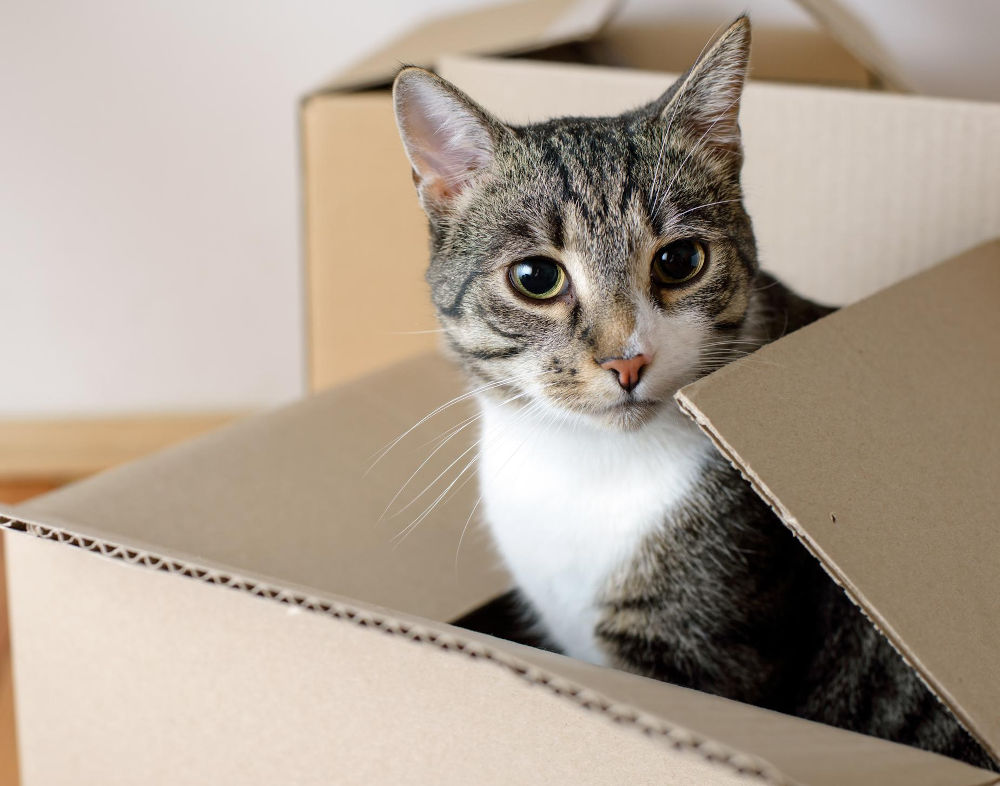
Dogs and cats get most of the attention in moving guides, but the principles of acclimation apply across species. The key variables are how strongly a species is territory-dependent, how sensitive it is to environmental change, and how much direct human interaction it needs to feel secure.
Dogs: Routine and Exploration
Dogs are generally more adaptable than cats during moves, largely because their primary attachment is to their owners rather than to a specific territory. That said, they still experience genuine stress from the disruption of familiar environments and routines.
The most effective post-move strategy for dogs is maintaining the existing routine as closely as possible. RSPCA's moving tips emphasize keeping feeding times, walk schedules, and play routines consistent. Dogs that receive their usual exercise and interaction tend to settle into new homes within one to two weeks.
Watch for behavioural changes that may indicate ongoing stress: excessive barking, destructive behaviour, house-training regression, or changes in appetite. These are normal in the first week but should begin to resolve as the dog builds familiarity with the new space. If they persist beyond two to three weeks, a consultation with your vet or a certified animal behaviourist is worth pursuing.
Cats: Territory and Scent
Cats are significantly more territory-dependent than dogs, which makes moves more disorienting for them. The safe room approach is particularly important for cats, and the gradual room-by-room introduction should be taken seriously rather than rushed.
Greencross Vets recommends placing familiar furniture, scratching posts, and bedding in the new home before the cat arrives where possible, so the space carries recognizable scents from the start. Pheromone diffusers (Feliway) plugged in before the cat enters the home can help establish a calming baseline.
Avoid forcing interaction or coaxing a hiding cat out of their chosen refuge. A cat that hides under a bed for the first two days is not in crisis; they are processing. Provide food, water, and a litter tray within easy reach of their hiding spot and let them emerge on their own timeline.
Small Animals, Birds, and Other Pets
Small animals such as rabbits, guinea pigs, and hamsters are highly sensitive to temperature fluctuations and vibration during transport. Keep their carriers insulated from direct sunlight and away from air conditioning vents during car travel. Minimize handling during the move itself, as the combination of unfamiliar handling and environmental stress can cause shock in small prey animals.
Birds are sensitive to drafts and temperature changes. Cover the cage partially during transport to reduce visual stimulation while maintaining ventilation. Avoid placing the cage near speakers or in direct sunlight. Re-establish the bird's normal light cycle as quickly as possible in the new home, as disruption to light patterns can affect both behaviour and health.
For any exotic or specialty pet, a pre-move consultation with a vet who specializes in that species is the most reliable source of guidance on transport and acclimation.
If you are managing a complex move with multiple pets and significant household contents, coordinating timing and access through local moving services that understand the logistics of moving day can make the difference between a controlled handoff and a chaotic one.
Air Travel and Professional Pet Transportation Options
Ground transport is the default for most residential moves, but long-distance relocations, international moves, and some interprovincial moves involve air travel or professional pet transport services. The safety landscape for pet air travel has improved in recent years, but it still requires careful planning.
Airline animal incidents are rare relative to the total number of animals transported, but the incidents that do occur are concentrated in cargo holds, which is why in-cabin travel is strongly preferred for animals small enough to qualify.
In-Cabin Versus Cargo Hold: Key Considerations
In-cabin travel allows the owner to monitor the pet throughout the flight and eliminates the temperature and handling risks associated with cargo. Most airlines allow small pets in-cabin in an approved carrier that fits under the seat, subject to breed restrictions and airline-specific policies. Confirm requirements directly with your airline well in advance, as policies vary and space is limited.
Cargo hold transport is sometimes unavoidable for larger animals. If your pet must travel as cargo, the following precautions reduce risk:
- Book direct flights to minimize handling and transfer time
- Travel during mild weather to reduce temperature risk in the hold
- Use an airline-approved crate that meets IATA size and ventilation standards
- Avoid sedation unless specifically recommended by your vet for the cargo context
- Attach a clear label to the crate with your contact information, destination address, and feeding instructions
Professional Pet Relocation Services
For international moves or complex long-distance relocations, professional pet relocation agencies handle regulatory compliance, documentation, and the logistics of physical transport. These agencies typically operate under welfare codes similar to the NSW Companion Animal Transport Code, which sets standards for container sizing, temperature control, and handling throughout the journey.
When evaluating a professional pet mover, ask specifically about their carrier standards, how they handle temperature management during transport, and what their incident reporting process looks like. A reputable service will answer these questions directly and without hesitation.
For owners planning an overseas move, coordinating pet transport alongside household goods logistics requires careful sequencing, as import requirements, quarantine periods, and documentation timelines vary significantly by destination country.
Tools and Solutions for Moving With Pets
The market for pet relocation support spans veterinary services, containment products, calming aids, and professional transport. The following categories cover the practical toolkit most owners will draw from.
Veterinary Services and Health Management
Primary veterinary clinics are the starting point for any move involving pets. AAA, Greencross Vets, RSPCA Australia, and ADT all emphasize pre-move veterinary visits for health checks, vaccination updates, prescriptions, and medical record copies. For senior animals or those with anxiety histories, behavioural consultation may be appropriate alongside standard health checks.
Veterinary practices near your destination should be identified before you move, not after. RSPCA Australia specifically recommends registering with a new vet promptly after a long-distance relocation.
Pet Containment and Travel Products
The core containment products for a residential move include:
- Hard-sided carriers for cats and small dogs, sized to welfare code specifications
- Vehicle safety harnesses for larger dogs, compatible with standard seat belts
- Secured crates for dogs travelling in cargo areas of SUVs or vans
- Airline-approved crates for any pet travelling by air, meeting IATA ventilation and size standards
Calming and Behavioural Support Products
Pheromone products have the strongest evidence base among non-prescription calming aids. Adaptil (for dogs) and Feliway (for cats) are the most widely recommended by veterinary organizations including RSPCA and Greencross Vets. Both are available in collar, diffuser, and spray formats.
Anxiety wraps (such as ThunderShirts) are used by some owners and trainers for dogs with noise or travel anxiety. The evidence base is less robust than for pheromone products, but they carry no risk, and some animals respond well to them.
Documentation and Identification Services
Microchip registries are the backbone of lost-pet recovery. In Canada, the primary national registry is the Canadian Veterinary Medical Association's Pet Identification Network, though provincial registries also exist. Confirm which registry your pet is enrolled in and update the address details before and after your move.
ID tag engraving services are widely available at pet supply stores and online. A temporary tag with your mobile number is a low-cost precaution for moving day.
Professional Moving Companies With Pet-Aware Practices
Alberta Pro Movers coordinates moving-day logistics to directly support pet safety. The team works with clients to establish timing and access protocols that keep pets in their designated safe rooms while loading and unloading are underway, reducing the risk of escape and minimizing the noise and foot traffic to which pets are exposed. For clients donating unwanted items during the move, the charitable collection program also reduces the number of extra trips and people through the home, which helps keep the environment calmer for animals. Reach out to Alberta Pro Movers to discuss scheduling your move around your pet's needs.
Best Practices for Moving With Pets
The following practices are drawn directly from veterinary and animal welfare guidance and represent the most consistently recommended actions across species and move types.
- Schedule a veterinary visit two to three weeks before the move. This gives you time to act on health findings, update vaccinations, obtain records, and discuss calming options. Do not leave this until the week of the move.
- Begin carrier acclimation at least two weeks before moving day. Leave the carrier open in a room your pet uses, add familiar bedding and treats, and let the pet enter voluntarily. This is the single most reproducible intervention for reducing transport stress.
- Designate a safe room at both your origin and destination. Stock it with familiar items, keep it closed during the move, and use it as the controlled point of entry at the new home.
- Withhold large meals before travel. PDSA advises avoiding feeding within two hours of travel. Greencross Vets recommends withholding food for up to 12 hours before long journeys to prevent motion sickness.
- Secure pets properly in vehicles. Small pets travel in carriers; larger dogs travel in harnesses attached to seat belts or in secured crates. Never leave a pet unrestrained or unattended in a vehicle.
- Use pheromone products as a first-line calming aid. Adaptil for dogs and Feliway for cats are recommended by RSPCA and Greencross Vets. Start using them a few days before the move, and continue using them in the new home.
- Update microchip registry details and ID tags immediately after the move. Do this within the first week, before the chaos of unpacking makes it easy to forget.
- Maintain consistent routines after the move. Same feeding times, same walk schedule, same play interactions. Routine is one of the most powerful tools for helping pets settle, and it costs nothing.
Common Mistakes When Moving With Pets
Even well-prepared owners make predictable errors during moves. These are the ones with the most significant consequences, along with how to avoid them.
Allowing pets to roam freely during packing or move-out. PDSA warns that pets left loose during moving activities face stress from noise and strangers, and a real risk of escape as doors are repeatedly opened. The fix is simple: confine pets to a designated safe room from the start of packing day, not just on moving day itself.
Feeding a large meal immediately before travel. Both PDSA and Greencross Vets flag this as a common cause of travel sickness. Withhold large meals for at least two hours before short trips and up to 12 hours before long journeys. Offer small amounts of water throughout.
Sedating without veterinary guidance. The data on over-sedation as a cause of airline pet deaths is clear. Even for ground moves, sedation without veterinary input carries risks. Always consult your vet before administering any sedative or calming medication.
Releasing pets into the new home before it is quiet and set up. RSPCA Australia specifically cautions against introducing pets to the new home while removalists are still present. Wait until the environment is quiet, then introduce your pet to one room before gradually expanding access.
Skipping the microchip and ID update. This is the most common post-move oversight and the one with the most serious consequences if a pet escapes. Update registry details within the first week, not eventually.
Washing all bedding and familiar items before the move. It feels like a fresh start, but it removes the scent markers that help pets recognize their environment as safe. RSPCA Australia and Greencross Vets both recommend leaving bedding unwashed for at least two weeks after the move.
Underestimating how long settling takes. Owners sometimes expect pets to adjust within a day or two and interpret ongoing anxiety as a problem requiring intervention. Most healthy dogs settle within one to two weeks. Cats may take longer. Patience and routine consistency are the most effective tools during this period.
Conclusion: A Prepared Move Is a Safer Move for Everyone
Moving with pets does not have to mean choosing between your animal's wellbeing and an efficient relocation. The evidence is consistent: preparation before the move, safe containment during it, and a structured settling-in process afterward are the three pillars that determine how well your pet comes through the experience.
Start with the veterinary visit. Build carrier familiarity early. Set up the safe room before the movers arrive. Update the microchip the week after you land. These are not complicated steps, but they require treating your pet's preparation as a real part of your moving plan, not an afterthought.
If you are planning a residential move in Calgary or anywhere across Alberta and want a crew that understands how to coordinate moving day around your household's needs, including your pets, get your free quote from Alberta Pro Movers and let us handle the logistics while you focus on the things that matter most.
Frequently Asked Questions
How long does it take for a pet to adjust to a new home?
Most dogs settle into a new home within one to two weeks when their routine is maintained consistently. Cats typically take longer, sometimes three to four weeks, because they are more territory-dependent. Senior animals and those with pre-existing anxiety conditions may take additional time. If significant behavioural changes persist beyond four weeks, a veterinary consultation is appropriate.
Should I sedate my pet for a long-distance move?
Sedation should only be used under direct veterinary guidance. Veterinary research on air transport has found that over-sedation is the most frequent cause of airline travel-related animal deaths, because sedated animals have reduced ability to regulate body temperature and maintain balance in a moving carrier. For ground moves, the risk profile is different, but the same principle applies: consult your vet before administering any sedative or calming medication.
What is the safest way to transport a cat in a car?
Cats should travel in a hard-sided carrier with secure latches and adequate ventilation, placed on the back seat or secured in the cargo area. Avoid opening the carrier during the journey unless absolutely necessary, as cats in unfamiliar environments are at high risk of escape. Minimize stops, as each stop introduces new stimuli. A pheromone spray applied to the carrier bedding before departure can help reduce anxiety.
Do I need to update my pet's microchip after moving?
Yes. A microchip linked to an old address or disconnected phone number provides no practical benefit if your pet goes missing. Update your microchip registry details within the first week after your move. Also update the physical ID tag to include a current phone number. If you have moved to a different province, confirm whether the provincial registry needs updating.
When can I let my cat outside after moving?
Most veterinary and welfare organizations recommend waiting at least two to three weeks before allowing a cat outside after a move. The cat should be showing relaxed, exploratory behaviour indoors before outdoor access is introduced. The first outdoor excursion should be supervised, during a quiet time of day (early morning or evening), and the cat should be slightly hungry so they are motivated to return inside for food.
Is it better to board my pet on moving day or keep them with me?
Both approaches can work, and the right choice depends on your pet's temperament and the complexity of your move. Boarding or leaving your pet with a trusted person eliminates the risk of escape and the stress of moving-day activity entirely. If you keep your pet with you, a properly equipped safe room with a closed door and a sign for movers is essential. For pets with high anxiety or a history of escape attempts, boarding is the lower-risk option.

Recent Posts
- How Much Does It Cost to Move Across Canada?
- What Movers Charge Per Hour Across Alberta: Calgary, Edmonton, Red Deer, Lethbridge, Fort McMurray
- First Apartment Checklist: Everything You Need for Your First Move
- Last-Minute Movers in Calgary: What to Do When You Need to Move Fast
- Senior Moving Services in Calgary: Compassionate Help for Older Adults
- Calgary Movers with No Hidden Fees: How to Get a Fixed Quote and Avoid Surprise Charges